How to Weigh Loss Fast: Gastric Balloon, Sleeve, Bypass, and Medical Care
Global Obesity Group
A multidisciplinary team of specialists in Bogotá with extensive experience in the management of overweight, obesity, and metabolic surgery. This content is intended for educational purposes and does not replace a personalized medical evaluation.
You have tried diets, cut out foods you enjoy, started exercising, and perhaps watched the weight return more than once. So, it makes sense that you are now searching for how to weigh loss fast and wondering whether there is a more effective way forward. At Global Obesity Group, we know that rapid weight loss is not a one-size-fits-all process. Losing weight quickly does not always mean losing body fat, and the safest approach depends on your starting weight, metabolic health, medical history, emotional wellbeing, and previous weight-loss attempts.
For some people, healthy weight loss may begin with nutrition, physical activity, and medically supervised weight loss. Others may benefit from a gastric balloon, gastric sleeve, or gastric bypass after a complete medical evaluation. The best option is not simply the fastest one; it is the one that helps you lose weight while protecting your health, addressing the factors behind weight gain, and supporting sustainable weight loss over time.
Get Multidisciplinary Support
Find the right path for your body, your health, and your long-term goals. Schedule your medical evaluation and discover which treatment may be right for you.
What Does Fast Weight Loss Really Mean?
When people ask us about how to lose weight fast, the first thing we explain is that “fast” is not a medical diagnosis or a universal target. A result that is appropriate for one person may be unrealistic—or even unsafe—for another. Before discussing specific weight-loss treatments, we need to understand what your body requires and what type of progress can be achieved without putting your health at risk.

How Much Weight Will I Lose With Gastric Sleeve Calculator? Contenido escrito por Global Obesity

Is a Gastric Balloon Right for You? A Guide for International Patients Content written by
Tipos de obesidad: ¿Qué significa estar en grado 1, 2 o 3? Contenido escrito por
Una Solución a la Obesidad

Fast Does Not Mean the Same Thing for Everyone
The speed of weight loss can be influenced by your starting weight, body composition, age, metabolic health, current medications, eating patterns, activity level, sleep, and the treatment you receive. This is why comparing your progress with someone else’s can be misleading.
For lifestyle-based treatment, gradual weight loss is usually easier to maintain. The CDC notes that people who lose weight at a steady pace—around one to two pounds per week—are more likely to keep it off than those who lose weight more quickly. However, this general reference does not apply in the same way to someone undergoing bariatric treatment or following a structured medical program.
Quick reality check
A lower number on the scale does not always mean that you have lost body fat. Sudden changes may also reflect water loss, reduced food intake, or loss of muscle mass. In a medically supervised weight-loss program, we look beyond the scale and consider your nutrition, health indicators, strength, symptoms, and overall progress.
When Can Rapid Weight Loss Be Medically Appropriate?
A faster rate of weight loss may occur after gastric sleeve surgery, gastric bypass surgery, treatment with a gastric balloon, or participation in a closely monitored medical program. In these situations, the change is part of a planned treatment with defined clinical goals, professional guidance, and follow-up.
Bariatric surgery, for example, changes the digestive system and may be considered for certain people living with obesity who have not achieved sufficient results through other methods. It also requires medical, nutritional, and behavioral care before and after the procedure.
A medically appropriate result should never be imitated through prolonged fasting, severe calorie restriction, laxatives, diuretics, unprescribed medication, or products promoted online as “quick fixes.” These methods do not reproduce the clinical effects of bariatric surgery for weight loss or a structured obesity treatment plan.
Warning Signs That a Fast Weight-Loss Method May Be Unsafe
Use this checklist before following any plan that promises unusually fast results:
- It eliminates entire food groups without a medical or nutritional reason.
- It promises that everyone will lose a large amount of weight within days.
- It recommends medications without a prescription or proper evaluation.
- It encourages you to intentionally dehydrate yourself.
- It involves self-induced vomiting, laxatives, or diuretics.
- It sells “natural” pills, teas, or fat burners without clearly identifying their ingredients.
- It ignores your medical conditions, mental health, current medications, or previous treatments.
- It offers no plan for monitoring your health or maintaining the results.
The FDA warns that some products marketed as weight-loss pills, supplements, teas, or fat burners may contain dangerous hidden ingredients. Laxatives and diuretics are also not effective methods for reducing body fat; the apparent change on the scale is largely related to fluid and waste loss rather than meaningful fat loss.
Our medical perspective
At Global Obesity Group, we do not define success by how quickly the scale moves. We define it by whether your weight-loss plan is clinically appropriate, nutritionally safe, emotionally sustainable, and capable of supporting long-term weight management.
Ways to Lose Weight: Medical and Surgical Options
There is no single treatment that works for every person living with obesity. When someone comes to us looking for faster weight loss, we do not begin by recommending the most aggressive option. We begin by understanding their health, previous attempts, expectations, and the factors that may be making weight loss more difficult.
The following treatments can support clinically meaningful weight loss, but they work in different ways and require different levels of preparation and follow-up.
1. Gastric Sleeve Surgery for Faster, Medically Supervised Weight Loss
Gastric sleeve surgery is one of the procedures we may evaluate when a person needs a more effective intervention for obesity and lifestyle-based approaches have not produced sufficient or lasting results. It can lead to significant weight loss, particularly during the first stage of treatment, but it should never be understood as a shortcut or a procedure that works independently of the patient’s habits and follow-up.
How Does Gastric Sleeve Surgery Support Weight Loss?
During a sleeve gastrectomy, the surgeon removes a large portion of the stomach and leaves a narrower, tube-shaped stomach. Because its capacity is smaller, the patient generally feels satisfied with less food. However, the procedure does more than simply limit portion size.
The sleeve may also affect digestive hormones and the biological signals involved in hunger, fullness, and blood sugar regulation. This is why we describe it as a metabolic and bariatric surgery, not merely as an operation designed to make someone “eat less.”
Who May Be Evaluated for a Gastric Sleeve?
A sleeve gastrectomy may be evaluated in people who:
- Live with obesity or weight-related medical conditions.
- Have made repeated attempts to lose weight without achieving sufficient or durable results.
- Need a more effective form of obesity treatment.
- Are medically able to undergo surgery.
- Understand that surgery requires long-term dietary and behavioral changes.
- Are willing to attend medical, nutritional, and psychological follow-up.
The ASMBS and IFSO guidelines recommend metabolic and bariatric surgery for individuals with a BMI of 35 or higher, regardless of whether obesity-related conditions are present. They also state that surgery should be considered in certain people with metabolic disease and a BMI between 30 and 34.9. These guidelines help inform medical decisions, but they do not replace an individualized evaluation.
2. Gastric Bypass Surgery for Weight Loss and Metabolic Health
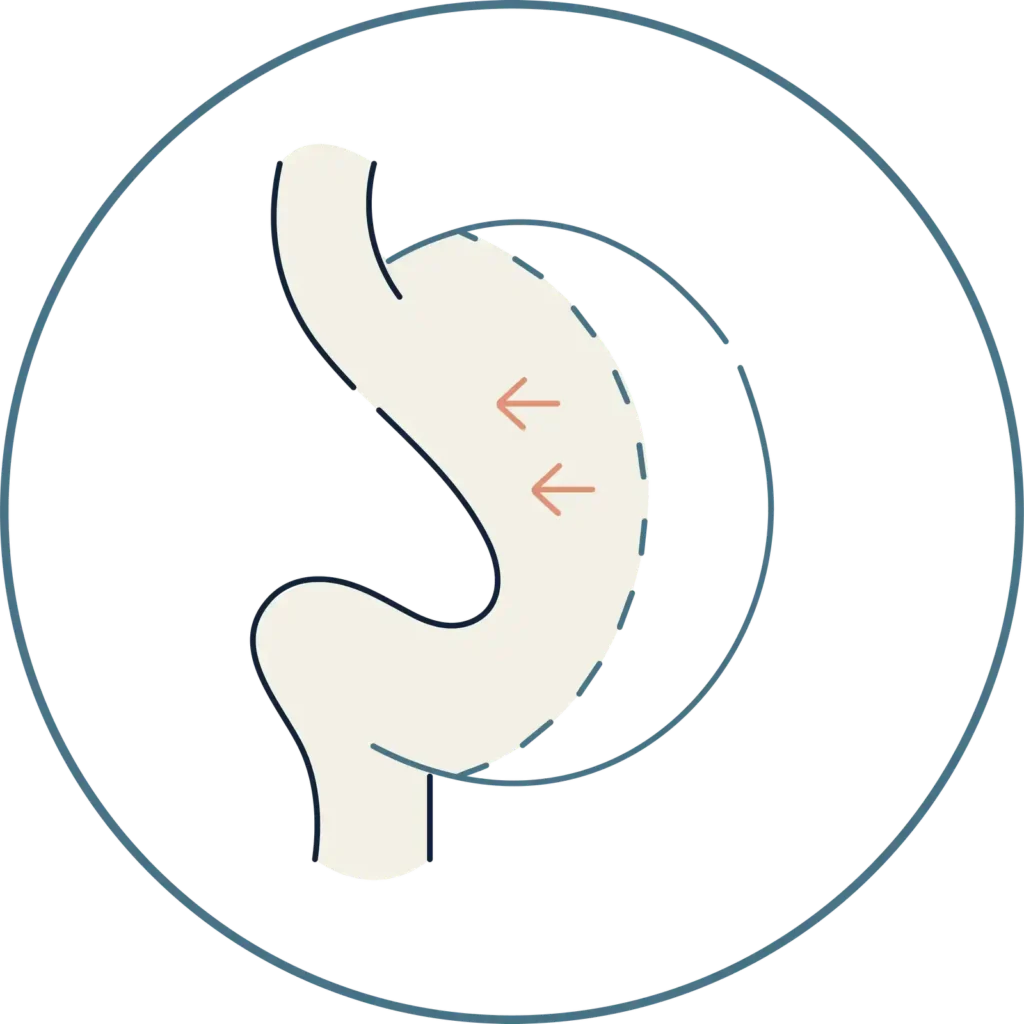
Gastric bypass surgery is another important option within metabolic and bariatric care. Like the sleeve, it can support substantial weight loss, but it changes the digestive system in a different way and may offer metabolic benefits for selected patients.
Our role is not to decide which procedure sounds more appealing. It is to compare the potential benefits, limitations, and responsibilities of each option based on the patient’s individual health.
When May Gastric Bypass Be Considered?
We may evaluate gastric bypass for a person living with obesity who needs an effective surgical treatment, particularly when there are metabolic or digestive factors that influence the choice of procedure.
The assessment may include:
- BMI and weight distribution.
- Type 2 diabetes or other metabolic conditions.
- Gastroesophageal reflux symptoms.
- Previous abdominal or bariatric procedures.
- Current eating patterns.
- Medications and medical history.
- Risk of nutritional deficiencies.
- Ability to follow supplementation and long-term care.
Weight-loss surgery is intended for people with obesity who require additional treatment and have not achieved sufficient results through other means. The procedure that may be most appropriate depends on several individual factors and should be discussed with the treating medical team.
3. Gastric Balloon as a Temporary Weight-Loss Tool
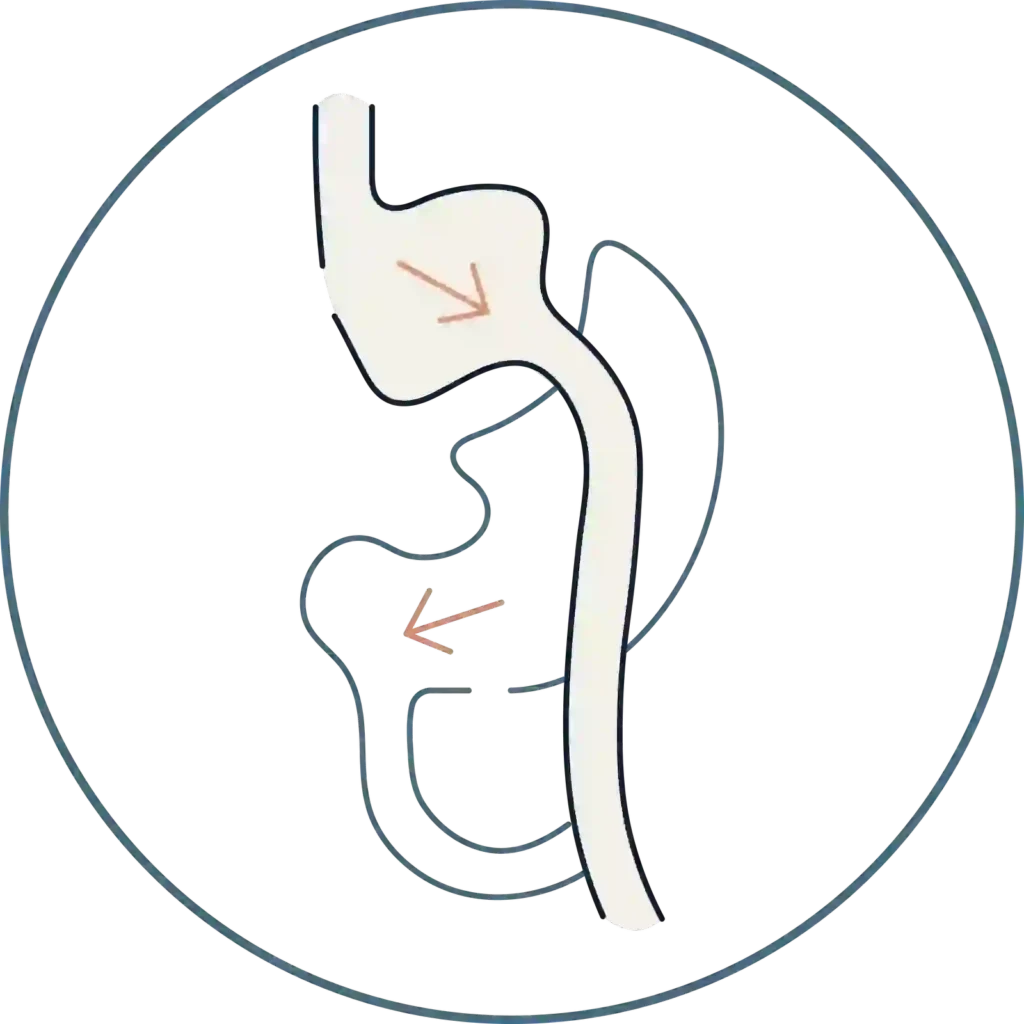
A gastric balloon is a temporary device used as part of a structured non-surgical weight-loss program. It is different from gastric sleeve and gastric bypass because it does not permanently change the anatomy of the stomach or reroute the intestines.
However, “non-surgical” should not be confused with effortless or risk-free. A gastric balloon still requires medical evaluation, preparation, monitoring, and a plan for what happens after the device is removed or passes from the body.
Who May Consider a Gastric Balloon?
A gastric balloon may be considered for selected patients who:
- Need an additional tool to support portion control and satiety.
- Have not achieved sufficient results through previous lifestyle-based efforts.
- Do not currently meet the criteria for bariatric surgery.
- Are not medically suitable for surgery.
- Prefer to begin with a temporary and less invasive option.
- Are prepared to participate in a structured nutrition and behavior-change program.
- Understand that the device does not provide a permanent biological effect.
Eligibility also depends on the specific balloon system, BMI range, digestive history, previous surgery, current health conditions, and the manufacturer’s approved indications.
Before recommending a gastric balloon for weight loss, we must also consider potential contraindications and adverse effects. The FDA has reported that intragastric balloons can be associated with complications, including balloon overinflation and acute pancreatitis in some liquid-filled systems. This is one reason professional evaluation and monitoring are essential.
Can a Gastric Balloon Help You Lose Weight Fast?
A gastric balloon can support clinically relevant weight loss during the period it remains in place, but the result depends heavily on what happens around the device.
The balloon may help create earlier fullness, yet it does not:
- Choose nutritious foods for the patient.
- Resolve emotional eating.
- Create an exercise routine.
- Diagnose hormonal or metabolic conditions.
- Guarantee long-term maintenance.
- Prevent weight regain after removal.
FDA-approved balloon systems are intended to be used alongside dietary changes, physical activity, and behavioral support—not as stand-alone treatments.
4. A Multidisciplinary Medical Weight-Loss Program
Not everyone needs surgery to achieve meaningful weight loss. Some people can make significant progress through a structured medical weight-loss program that addresses nutrition, movement, emotional health, metabolism, and medical conditions at the same time. Others use this support to prepare for a gastric balloon or bariatric surgery, recover safely after a procedure, or protect their results over the long term.
At Global Obesity Group, we do not build a plan around the scale alone. We start with a complete medical history, an assessment of weight and body composition, a review of weight-related conditions, and laboratory testing when clinically indicated. From there, we establish personalized goals and determine which professionals should be involved.
A multidisciplinary weight-loss program may include:
- A complete medical and weight history.
- Body weight and composition assessment.
- Evaluation of obesity-related conditions.
- Laboratory tests when medically indicated.
- Personalized health and weight-loss goals.
- A nutrition plan adapted to the patient.
- Physical activity based on mobility and fitness level.
- Psychological support.
- Hormonal or psychiatric evaluation when appropriate.
- Prescribed medical treatment when indicated.
- Regular monitoring and treatment adjustments.
This coordinated approach is consistent with the World Health Organization’s model of obesity care, which encourages collaboration between medical, nutrition, psychological, nursing, and physical activity professionals.
Nutrition Support Without Extreme Diets
Nutrition is not about following the most restrictive plan possible. Our nutrition professionals adapt food recommendations to the patient’s medical history, culture, preferences, schedule, metabolic health, and chosen treatment. A personalized weight-loss plan should be realistic enough to follow outside the consultation room.
Before bariatric surgery, nutrition support may help patients prepare for the procedure and understand the eating changes ahead. After surgery or gastric balloon treatment, it can guide food texture progression, hydration, protein intake, portion sizes, and supplementation when prescribed.
Over time, nutrition also helps patients plan meals, respond to changes in hunger or fullness, and maintain results without depending on short-term diets.
Psychology Support for Eating Behaviors and Lasting Change
Weight management is not only a matter of knowing what to eat. Stress, anxiety, emotional eating, guilt, weight stigma, and frustration after previous attempts can all influence the process.
Psychological support helps patients understand their relationship with food, set realistic expectations, and strengthen their ability to follow treatment. It can also help them adapt to body changes, new eating patterns, and the emotional demands of bariatric treatment.
We also work to prevent the all-or-nothing cycle. A difficult week, a plateau, or an unplanned meal does not erase previous progress. Learning how to continue after a setback is an important part of sustainable weight loss.
Physical Activity Adapted to Your Starting Point
Exercise should not be used as punishment for eating or as a race to burn as many calories as possible. Movement should support health, independence, strength, and quality of life.
A safe activity plan considers joint pain, mobility, cardiovascular capacity, previous surgery, medical conditions, and current fitness level. For some patients, the starting point may be short walks or mobility exercises. Others may gradually progress toward resistance training and more structured cardiovascular activity.
During and after weight loss, physical activity can help preserve muscle mass, improve functional capacity, and support long-term weight management. The right amount and type of exercise will vary from one person to another.
Medical Follow-Up to Protect Your Health
Medical follow-up allows us to evaluate more than the number on the scale. Depending on the treatment, we may monitor:
- Weight and body measurements.
- Blood pressure.
- Blood sugar and metabolic health.
- Digestive symptoms.
- Current medications.
- Laboratory results.
- Vitamin or mineral deficiencies.
- Treatment tolerance.
- Postoperative recovery.
Progress is rarely linear. A weight-loss plateau does not automatically mean that the treatment has failed. It may indicate that the body is adapting or that nutrition, physical activity, medication, sleep, or another part of the plan needs to be reviewed.
Follow-up should also continue after the patient reaches a goal. Obesity requires long-term care, and maintaining results often requires ongoing medical guidance rather than a final appointment when a target weight appears on the scale.
Hormonal Health and Medical Conditions That Can Affect Weight
Hormonal and metabolic conditions can sometimes influence appetite, energy, sleep, fat distribution, and the body’s response to treatment. However, not every difficulty with weight loss is caused by a “hormonal imbalance.”
Medical evaluation may be appropriate when there are signs or a history related to:
- Thyroid disorders.
- Insulin resistance or diabetes.
- Polycystic ovary syndrome.
- Menopause.
- Sleep disorders.
- Medications that affect appetite or weight.
An endocrinology or medical assessment can help determine whether a specific condition is contributing to the patient’s symptoms and whether treatment is indicated.
Using thyroid hormones, so-called metabolic boosters, or weight-loss medications without professional supervision can be dangerous. These products may cause serious side effects and can delay the correct diagnosis of the factors affecting weight.
Psychiatry When Mental Health Affects Treatment
Psychiatry and psychology have different but complementary roles. Psychological care often focuses on behaviors, emotions, coping strategies, and the relationship with food. Psychiatry involves medical evaluation of mental health conditions and may include the management of psychiatric medication.
Psychiatric support may be appropriate when a patient has:
- Clinically significant depression or anxiety.
- An eating disorder.
- Problematic substance use.
- Bipolar disorder or another psychiatric condition.
- Medication that may influence appetite or weight.
- Serious difficulty remaining engaged in treatment.
Before or after bariatric surgery, psychiatric evaluation is not intended to judge the patient or automatically exclude them from treatment. Its purpose is to identify needs, stabilize relevant conditions, and make the process safer. This is consistent with the American Psychiatric Association’s recommendation to integrate psychiatric care when a patient’s condition requires it.
Psychiatric medications should never be stopped, replaced, or adjusted without guidance from the prescribing professional. Communication between the psychiatrist, bariatric team, nutrition professionals, and other treating physicians helps ensure that obesity treatment and mental health care work together rather than in isolation.
At Global Obesity Group, multidisciplinary care means that each patient receives the support their case requires. Not everyone needs every specialty, but every treatment should consider the medical, nutritional, physical, metabolic, and emotional factors that can influence weight loss.
How to Choose the Safest Way to Lose Weight Fast
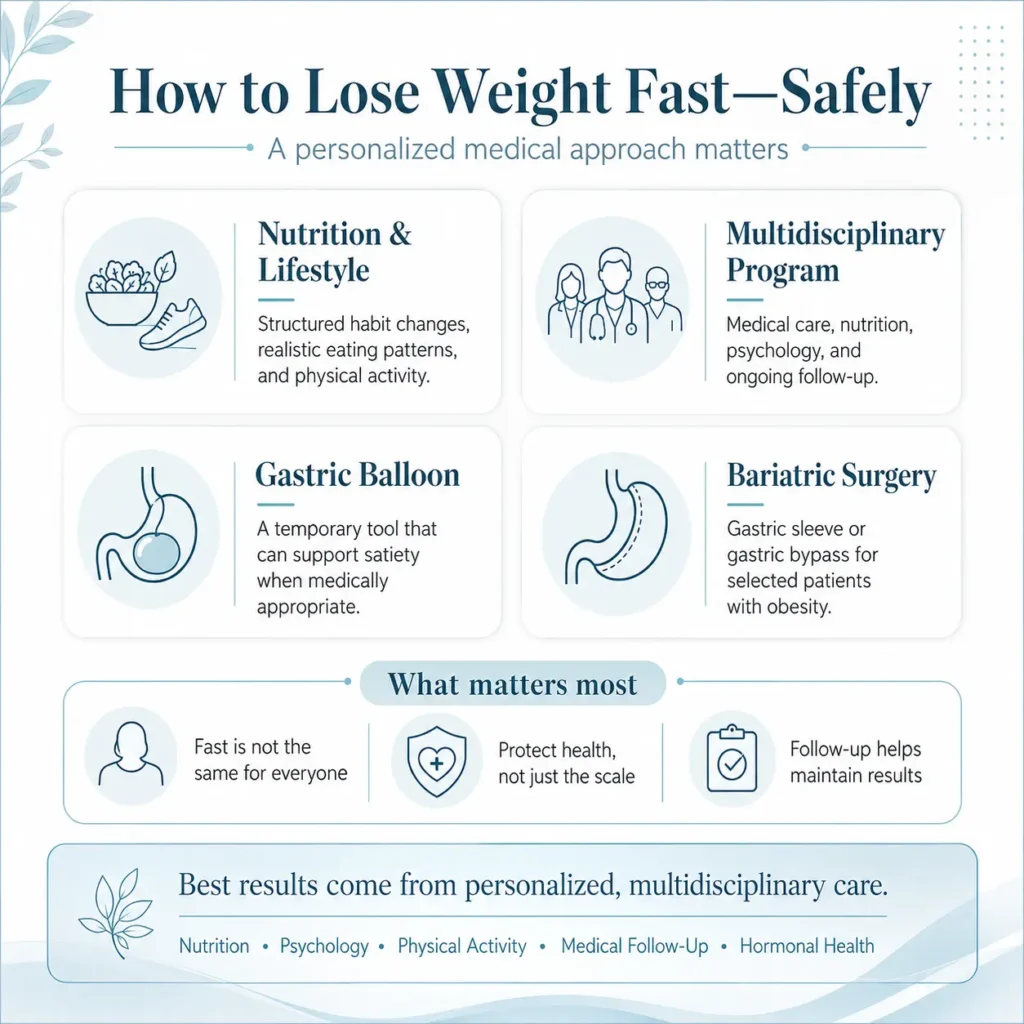
When patients ask us about the safest way to lose weight fast, we explain that the right option is not determined by speed alone. It depends on your starting weight, medical history, metabolic health, previous treatments, expectations, and ability to continue with follow-up. Some people may benefit from a structured nutrition and lifestyle program, while others may need a medical intervention, a temporary gastric balloon, or bariatric surgery for weight loss. Gastric sleeve and gastric bypass alter the digestive system, while gastric balloons are temporary devices that must be used as part of a broader weight-management plan.
| Option | May be considered for | Level of intervention | Follow-up required |
|---|---|---|---|
| Nutrition and lifestyle program | People who need structured support to improve eating patterns, physical activity, and daily habits. | Non-invasive | Ongoing |
| Multidisciplinary medical program | People with overweight, obesity, metabolic concerns, or weight-related health conditions. | Medical, non-surgical | Ongoing |
| Gastric balloon | Selected patients looking for a temporary tool to support satiety and portion control. | Minimally invasive or non-surgical, depending on the device | Essential |
| Gastric sleeve | Selected patients with obesity who may benefit from a surgical intervention. | Surgical | Long-term |
| Gastric bypass | Selected patients with obesity, metabolic needs, or other clinical factors that may influence procedure selection. | Surgical and metabolic | Long-term |
Important
This comparison is educational and cannot determine which weight-loss treatment is right for you. A table cannot evaluate your health conditions, medications, digestive symptoms, emotional wellbeing, surgical risk, or previous weight-loss attempts. The safest decision begins with a complete medical assessment and a personalized weight-loss plan developed with a qualified multidisciplinary team. The NIDDK also emphasizes that the most appropriate bariatric procedure depends on several individual factors and should be discussed with the treating physician.
you might be interested Bariatric Surgery in 2026: Safer, More Effective, Accessible
Lose Weight with a Multidisciplinary Team at Global Obesity Group in Bogotá
At Global Obesity Group, we understand that every weight-loss story begins in a different place. That is why our multidisciplinary obesity team in Bogotá offers both surgical and non-surgical weight-loss options, helping each patient understand whether bariatric surgery, a gastric balloon, or a structured medical program may be appropriate. Our care can bring together bariatric surgery, nutrition, psychology, adapted physical activity, medical follow-up, hormonal health, and psychiatric support when clinically indicated, so you feel supported before, during, and after treatment.
You do not have to arrive knowing whether you need a gastric sleeve, gastric bypass, or gastric balloon. Our role is to listen to your experience, evaluate your health, and guide you toward a personalized weight-loss plan that reflects your medical history, needs, and goals. You do not have to figure this out alone—schedule a medical evaluation with our team in Bogotá and let us take the first step with you.
Frequently Asked Questions About How to Weigh Loss Fast
1. What is the safest way to lose weight fast?
The safest approach begins with understanding why weight loss has been difficult and whether any medical, metabolic, nutritional, or emotional factors are involved. For some people, a medically supervised weight-loss program may be appropriate. Others may need a gastric balloon or bariatric surgery after a complete evaluation. At Global Obesity Group, we do not recommend a treatment based on speed alone; we look for the option that can produce meaningful results while protecting your health.
2. How much weight can I safely lose each week?
When weight loss is based mainly on nutrition, physical activity, sleep, and behavior changes, a gradual pace of around one to two pounds per week is often used as a general reference. The CDC notes that people who lose weight at a steady pace are more likely to maintain it than those who lose weight more quickly. However, this reference does not apply in the same way after bariatric surgery or during other medical treatments, where the expected pace may be different.
3. Can I lose weight quickly without surgery?
Yes. Some patients can achieve clinically meaningful weight loss through a structured program that combines nutrition, physical activity, psychological support, medical monitoring, and treatment of relevant health conditions. Results depend on your starting point and clinical needs. Non-surgical care may also be used before surgery, after a gastric balloon, or to help maintain previous weight-loss results.
4. When should bariatric surgery be considered?
Bariatric surgery may be considered for selected people living with obesity, particularly when previous treatments have not produced sufficient or lasting results. Current ASMBS/IFSO guidance recommends metabolic and bariatric surgery for people with a BMI of 35 or higher, regardless of the presence of associated conditions, and states that it should be considered in some people with metabolic disease and a BMI between 30 and 34.9. These criteria guide the evaluation but do not replace an individualized medical assessment.
5. Which is better for fast weight loss: gastric sleeve or gastric bypass?
Neither procedure is automatically better for every patient. Gastric sleeve surgery reduces the size of the stomach and affects signals related to hunger and fullness. Gastric bypass surgery creates a smaller stomach pouch and changes part of the digestive pathway, producing additional digestive and metabolic effects. The choice may depend on BMI, diabetes, reflux, eating patterns, previous surgery, nutritional risks, and the patient’s ability to maintain long-term follow-up. NIDDK advises patients to discuss procedure selection with their treating physician because the most suitable option depends on several individual factors.
6. Is a gastric balloon an easier alternative to bariatric surgery?
A gastric balloon is less invasive than bariatric surgery, but it should not be described as effortless or risk-free. It is a temporary device placed inside the stomach to occupy space and support fullness. Depending on the system, it may require endoscopic placement or may be swallowed as a capsule. FDA-regulated balloons are intended to be used alongside dietary and behavioral changes, and patients must be evaluated for risks and contraindications.
7. Will I regain weight after a gastric balloon or bariatric surgery?
Weight regain is possible after any treatment if the biological, medical, nutritional, or emotional factors affecting weight are not addressed over time. A procedure can create an important opportunity for change, but it does not remove the need for meal planning, physical activity, medical care, and behavioral support. Follow-up allows the team to identify changes early rather than waiting until significant weight has returned.
8. Can hormonal problems make it impossible to lose weight?
Hormonal and metabolic conditions can make weight management more complex, but they do not explain every case of weight gain or difficulty losing weight. Thyroid disorders, diabetes, polycystic ovary syndrome, menopause, sleep problems, and certain medications may influence appetite, energy, or metabolism. The appropriate step is a medical evaluation—not self-treatment with thyroid hormones, supplements, or products marketed as metabolic boosters.
9. Do I need psychological or psychiatric support during weight loss?
Not every patient needs the same type of mental health care. Psychological support may help with emotional eating, anxiety, guilt, body image, expectations, and the tendency to abandon treatment after a setback. Psychiatric support may be appropriate when there is significant depression, anxiety, an eating disorder, bipolar disorder, substance use, or psychiatric medication that needs coordinated management. Mental health care is not a judgment; it is one part of making treatment safer and more sustainable.
10. Why is multidisciplinary follow-up important even after I reach my goal?
Reaching a target weight does not mean the underlying tendency toward weight gain has disappeared. Long-term care can help monitor nutrition, muscle mass, laboratory results, medications, metabolic health, emotional wellbeing, and changes in eating behavior. Regular physical activity is also important for maintaining weight loss over time.
References
- Centers for Disease Control and Prevention (CDC)
- American Society for Metabolic and Bariatric Surgery y International Federation for the Surgery of Obesity and Metabolic Disorders
- National Institute of Diabetes and Digestive and Kidney Diseases (NIDDK)
- U.S. Food and Drug Administration (FDA)
- Centers for Disease Control and Prevention (CDC)