Technology

Da Vinci Robotic Bariatric Surgery in Bogotá

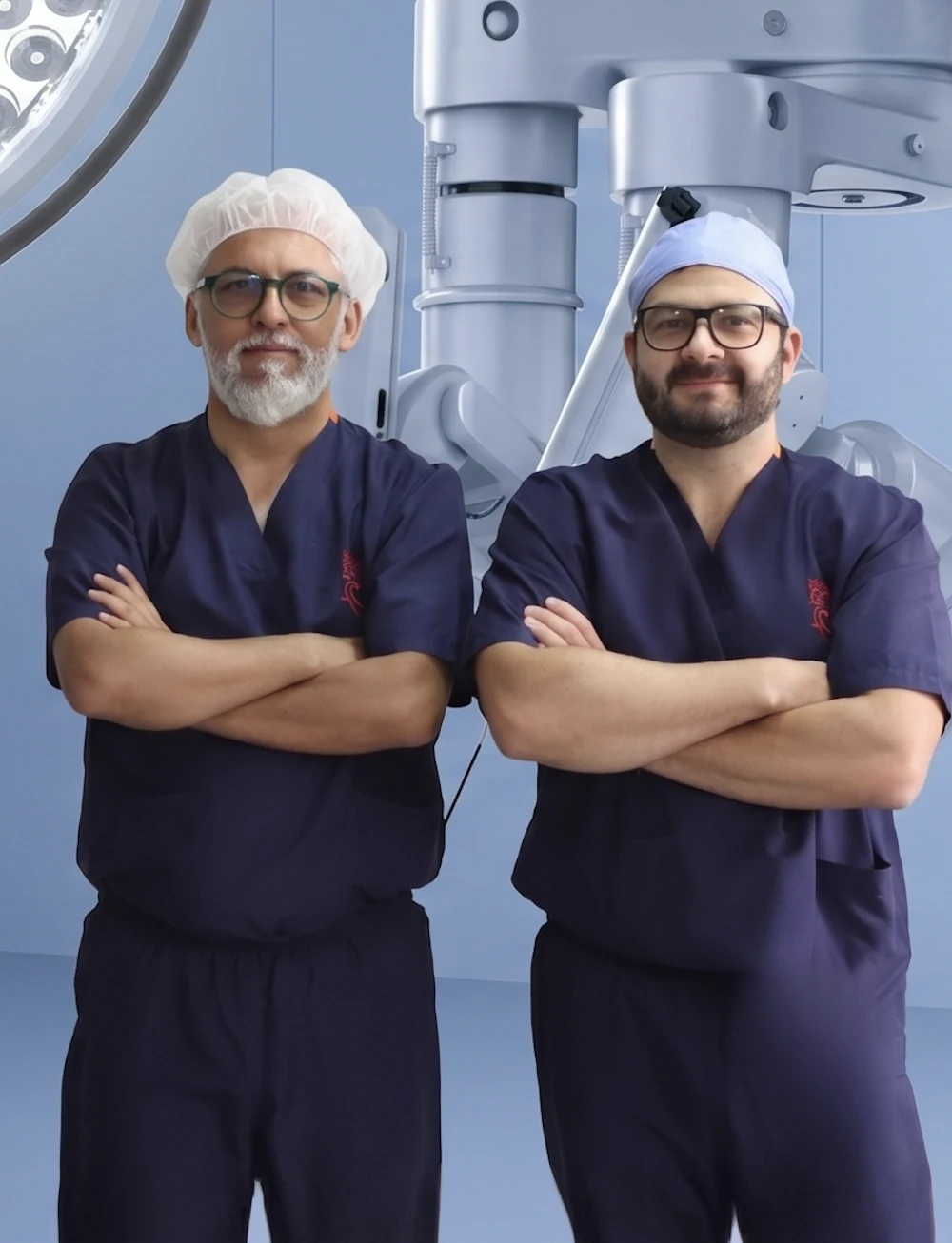
The 3-incision robotic technique pioneered in Colombia — performed by the only two bariatric surgeons in the country trained on the Da Vinci surgical system. At Country Hospital since 2018.

3 incisions vs 5 traditional 10× tissue magnification Pioneer in Colombia · since 2018 Da Vinci Xi system
Dr. Rubén Luna and Dr. Felipe Bernal in front of Da Vinci robotic surgical system at Country Hospital Bogotá
What it is

What is Da Vinci robotic surgery?

Da Vinci is a surgeon-controlled robotic system — not an autonomous robot. The surgeon sits at a console a few meters from the operating table, with hands on two master controls that translate every motion into the movement of four articulated arms inside the patient's abdomen. The system filters out involuntary hand tremor and scales movements down to millimeter precision.

For bariatric surgery, this means the same procedures you would have done laparoscopically — gastric sleeve, gastric bypass, revision — performed through smaller incisions, with finer instrument control, and a 3D high-definition view that magnifies tissue up to 10×.

Surgeon-controlled, always.The Da Vinci is a tool, not an autopilot. Every movement is initiated and supervised by the surgeon.
3D HD vision · 10× magnification.Tissue planes and small vessels are visible in detail that conventional laparoscopy cannot match.
Tremor-free, scaled precision.Even fine hand movements are filtered. Cuts and sutures are millimeter-precise.
Articulated wristed instruments.The robotic arms have a wrist with 7 degrees of motion — beyond the human hand inside narrow anatomy.
The 3-incision technique

Why 3 incisions matters — and why only we do it in Colombia

Traditional laparoscopic bariatric surgery requires 5 incisions. The 3-incision Da Vinci technique pioneered by our surgeons reduces that to three small ports — without compromising surgical access or safety.

5

Traditional laparoscopic

Five incisions across the upper abdomen, ranging 5-12mm each. Standard worldwide.

3

Da Vinci 3-incision (our technique)

Three small ports. Same surgical access, less tissue trauma, less visible scarring, less pain at incision sites in the first 48 hours.

This 3-incision approach to robotic bariatric surgery has been our standard at Country Hospital in Bogotá since 2018 — making us pioneers of this technique in Colombia.

Who performs it

Two surgeons in Colombia trained on the Da Vinci system

Da Vinci certification is not standard in Colombian bariatric training. Both of our certified surgeons trained internationally and have been performing robotic bariatric procedures together at Country Hospital for over six years.

Dr. Rubén Luna

Co-founder · Lead Bariatric Surgeon · Da Vinci certified
  • Da Vinci training at Memorial Hermann Hospital, Houston, TX
  • 18+ years and 2,000+ bariatric procedures
  • Head of General Surgery and Renal Transplant at Clínica Shaio
  • Pioneer of the 3-incision Da Vinci bariatric technique in Colombia
View Dr. Luna's profile →

Dr. Felipe Bernal

Co-founder · Bariatric Surgeon · Da Vinci certified
  • Da Vinci certified robotic bariatric surgeon
  • 10+ years and 1,000+ bariatric patients
  • Associate professor at Universidad El Bosque, leading the GICS minimally invasive surgery research line
  • Robotic bariatric program at Country Hospital since 2018
View Dr. Bernal's profile →
Procedures

Bariatric procedures we perform with the Da Vinci system

Every primary bariatric procedure in our program is available in laparoscopic and Da Vinci robotic versions. Same outcomes, different precision and pricing tier — the choice is yours, made together with the surgeon.
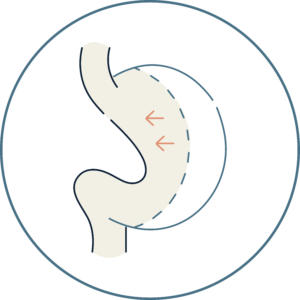
Gastric Sleeve (Robotic)

Vertical sleeve gastrectomy performed through 3 ports. Same restrictive mechanism (75-80% stomach removed), with millimeter-precise stapling and a 3D view of the gastric anatomy.

Learn about gastric sleeve →
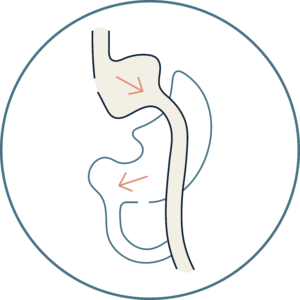
Gastric Bypass (Robotic)

Roux-en-Y gastric bypass with robotic stapling and suturing of the gastric pouch and intestinal anastomosis. Robotic precision is most visible at the anastomosis level.

Learn about gastric bypass →
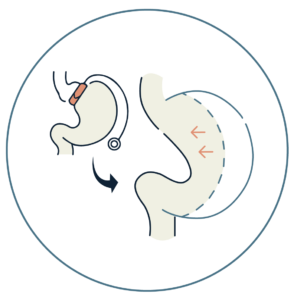
Revision Bariatric Surgery (Robotic)

This is where the Da Vinci shines. Revision surgery means working through scar tissue from a previous operation — the robotic articulation and 3D vision make a real surgical difference in these cases.

Learn about revision surgery →
Patient benefits

What changes for you with Da Vinci

Robotic surgery is not magic and not for every patient. But for the patients it fits, here is what tends to improve.

1

Faster physical recovery

Less tissue trauma at the abdominal wall. Most patients walk within 6 hours of surgery and are discharged after 1 night in hospital. Return to light activity in days, not weeks.

2

Smaller, less visible scars

Three small ports instead of five. The difference is visible even at the one-month follow-up — most scars fade to thin pale lines under clothing within a year.

3

Less postoperative pain

Less abdominal wall trauma generally translates to less pain at the incision sites in the first 48 hours. Most international patients describe it as "manageable with oral medication" rather than "narcotic-level".

4

Enhanced precision in tight anatomy

The wristed instruments and 10× magnification matter most in revision cases, high-BMI patients where intra-abdominal space is limited, and any anatomy that needs careful dissection.

5

Same surgeons, full multidisciplinary team

You don't get a different program because you choose robotic. Same surgeons, same anesthesia team, same 12-month post-op follow-up with nutrition, psychology and medical support.

Transparent pricing

Laparoscopic vs. Da Vinci robotic — pricing

Robotic surgery has a higher tier than laparoscopic. The price difference reflects the cost of the Da Vinci system, instrument disposables, and the surgical time premium. Same surgeon, same hospital, same 12-month accompaniment in both versions.

ProcedureLaparoscopic (USD)Da Vinci robotic (USD)
Gastric Sleeve$7,800$10,300
Gastric Bypass$7,800$12,000
Revision Surgery$7,800$12,500

All prices are all-inclusive packages covering surgeon and anesthesia fees, 1 night private hospital, pre-op evaluation, and the 12-month follow-up program. Flights and hotel are separate.

Risks & Multidisciplinary Support

Yes, robotic surgery has risks too. No, you won't face them alone.

Robotic precision reduces some specific complications (less tissue trauma, less bleeding at the abdominal wall, fewer marginal ulcers in bypass) but it does not eliminate surgical risk. The risk profile of robotic bariatric surgery is comparable to laparoscopic — what changes is what surrounds the procedure.

General surgical complications (leak, stricture, bleeding)Reported rates are comparable to laparoscopic — <1% leak in our program. Detected early through 1 night of close in-hospital monitoring with bariatric-trained nursing.
Anesthesia and pneumoperitoneumSame standard risks as any laparoscopic procedure. Pre-op cardiology and pulmonology clearance is part of the program for every robotic case.
Conversion to open surgery (very rare)If the robotic approach becomes unsafe mid-procedure, conversion to laparoscopic or open is always an option. Decision is made by the surgeon with patient safety as the only criterion.
System malfunctionThe Da Vinci has multiple redundancies and emergency conversion protocols. A backup laparoscopic setup is always in the room.
Surgical mortality<0.1% at GOG. Globally reported at 0.1–0.3% for laparoscopic and robotic sleeve, slightly higher for bypass.
The 12-month accompanimentSame as laparoscopic patients. Scheduled virtual check-ins at months 1, 3, 6, 9 and 12 with the surgeon, nutritionist and behavioral support. Labs reviewed remotely. Direct WhatsApp to your patient coordinator. International patients get the same program from anywhere in the world.
Common questions

Frequently asked questions about Da Vinci bariatric surgery

Is robotic surgery actually safer than laparoscopic?
It's not strictly safer in terms of complication rates, but it does reduce some specific complications (less bleeding at the abdominal wall, less tissue trauma) and gives the surgeon more precision in tight anatomy. For most primary bariatric procedures the safety profile is comparable. For revision surgery, robotic is often the better tool.
Who is the ideal candidate for robotic versus laparoscopic?
Robotic is most useful for revision cases, high-BMI patients where intra-abdominal space is limited, and anyone where minimizing scarring matters. Laparoscopic is excellent for primary sleeve in straightforward anatomy. Final recommendation is made together in your virtual consultation.
Why is robotic more expensive?
The Da Vinci system itself costs millions, disposable instruments are several thousand dollars per case, and the procedure takes slightly longer. The price difference reflects those real costs. Same surgeon and same team — what changes is the technology used.
How many surgeons in Colombia perform Da Vinci bariatric surgery?
Very few hospitals in Colombia have the Da Vinci system installed for bariatric surgery. At Country Hospital, where we operate, Dr. Rubén Luna and Dr. Felipe Bernal are the two certified bariatric surgeons performing the 3-incision robotic technique. To our knowledge they are the only two in the country trained specifically for this approach.
Is the robot doing the surgery autonomously?
No. The Da Vinci is a tool, not an autopilot. The surgeon controls every movement from the console — the system filters out tremor and scales motions, but every decision and every action is the surgeon's.
Will the scars really be smaller?
Yes, visibly. Three small ports instead of five. The difference is most noticeable in the first 3-6 months, and most scars fade to thin pale lines under clothing within a year.
Does Da Vinci affect the long-term weight loss outcome?
No. The weight-loss mechanism is the same as the laparoscopic version of the same procedure (sleeve, bypass, revision). What changes is the way the surgeon accesses and operates — not the surgical principle.
Can I choose between laparoscopic and Da Vinci?
Yes, in most cases. We discuss both options in your virtual consultation, recommend the one that fits your anatomy and goals, and you make the final decision. Some specific cases (severe scar tissue from previous abdominal surgery, very high BMI with anatomy challenges) lean strongly toward robotic.

Ready to discuss whether Da Vinci is right for you?

One private virtual consultation. We review your medical history, BMI, and anatomy — and recommend the procedure and technique that fits, with transparent pricing both ways.

Book my virtual consultation →
Global Obesity Group · Bogotá, Colombia. Da Vinci robotic bariatric surgery performed at Country Hospital by Dr. Rubén Luna and Dr. Felipe Bernal since 2018. Medical information on this page is educational and does not replace personalized medical advice. Eligibility, outcomes and complication rates vary by patient.